
01 · Understand
Industrial Noise Assessment
Map sources, reverberation and troublesome routes before anyone reaches for a product catalogue.
Explore assessmentIndustrial Acoustic Intelligence
Noise control for factories and workshops, from finding the loudest source to choosing the right treatment, barrier or enclosure.
A practical starting point
Industrial noise rarely comes from one neat little box. It travels through open production floors, reflective walls, roof decks, doors, service routes and the gaps around equipment. We help you make sense of that whole picture.
Our approach is calm and useful: identify the sources, understand the pathways, then put treatment where it can do meaningful work without making maintenance awkward.
Five useful routes in
Each guide is deliberately specific. No grand claims, no magic panels—just sound decisions for working buildings.
01 · Understand
Map sources, reverberation and troublesome routes before anyone reaches for a product catalogue.
Explore assessment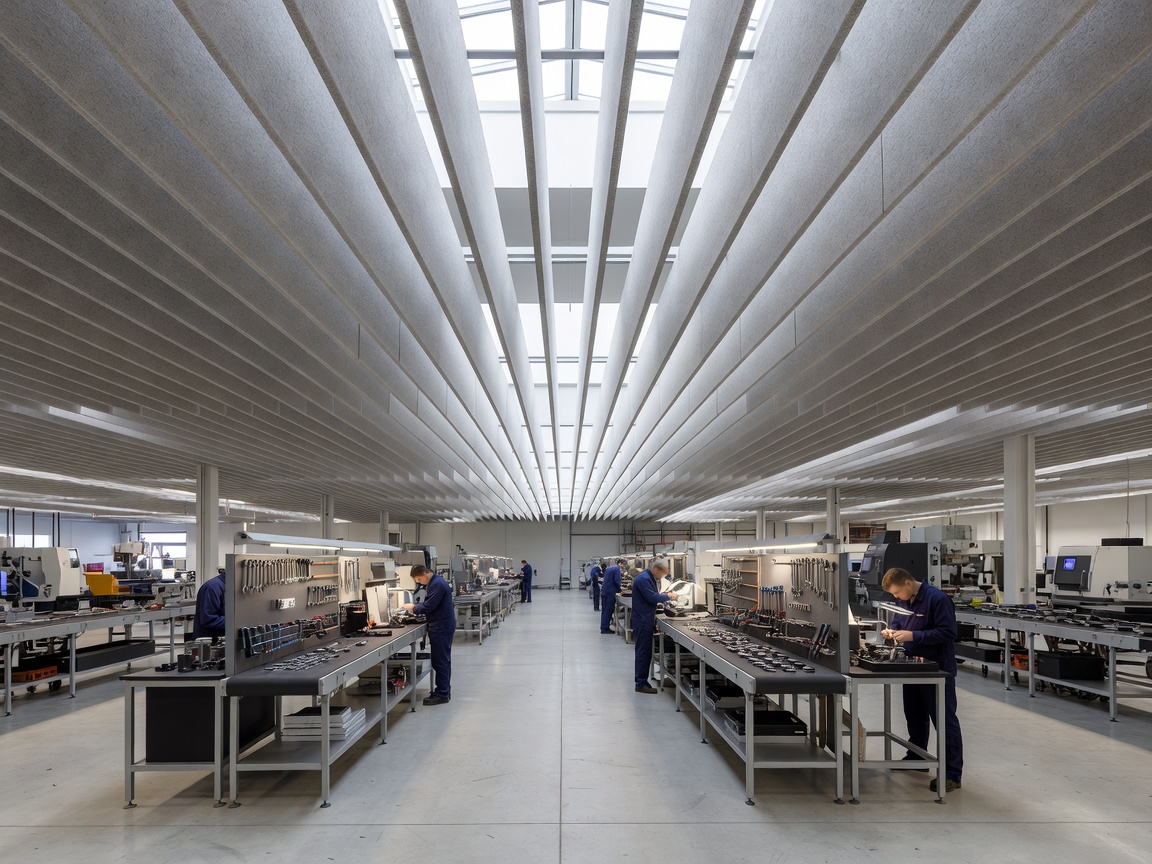
02 · Treat
Bring walls, ceilings, zones and machinery areas into one considered treatment plan.
Explore solutions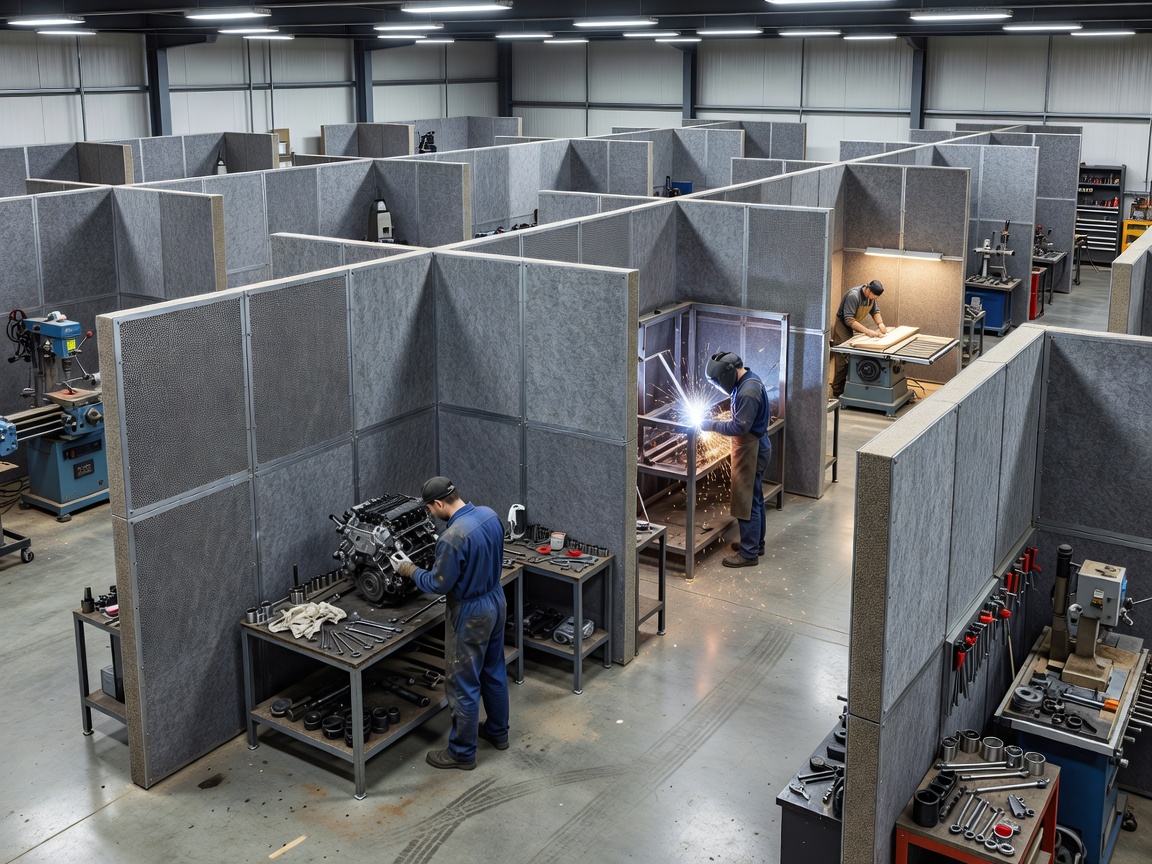
03 · Improve
Practical changes for power tools, work bays, operators and the noisy things between them.
Explore workshop control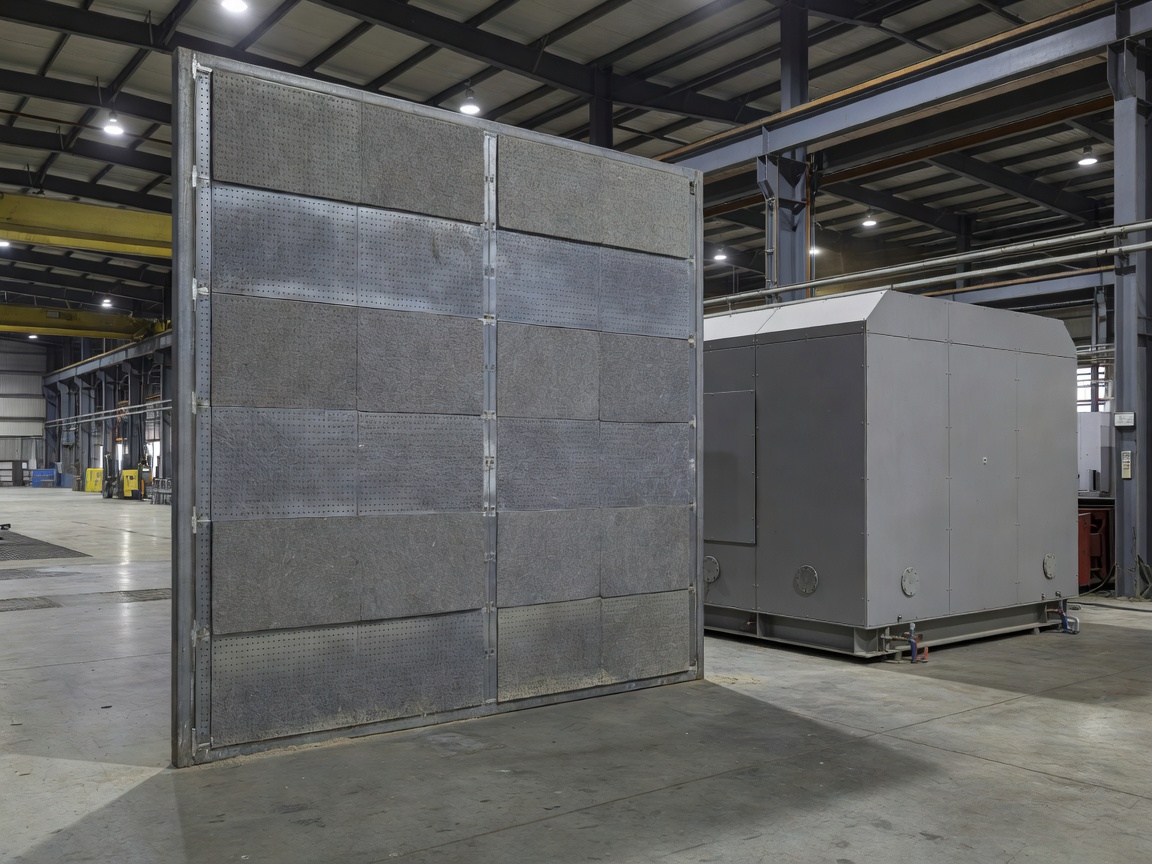
04 · Contain
Compare screens, partial enclosures and full containment without forgetting access or airflow.
Explore containment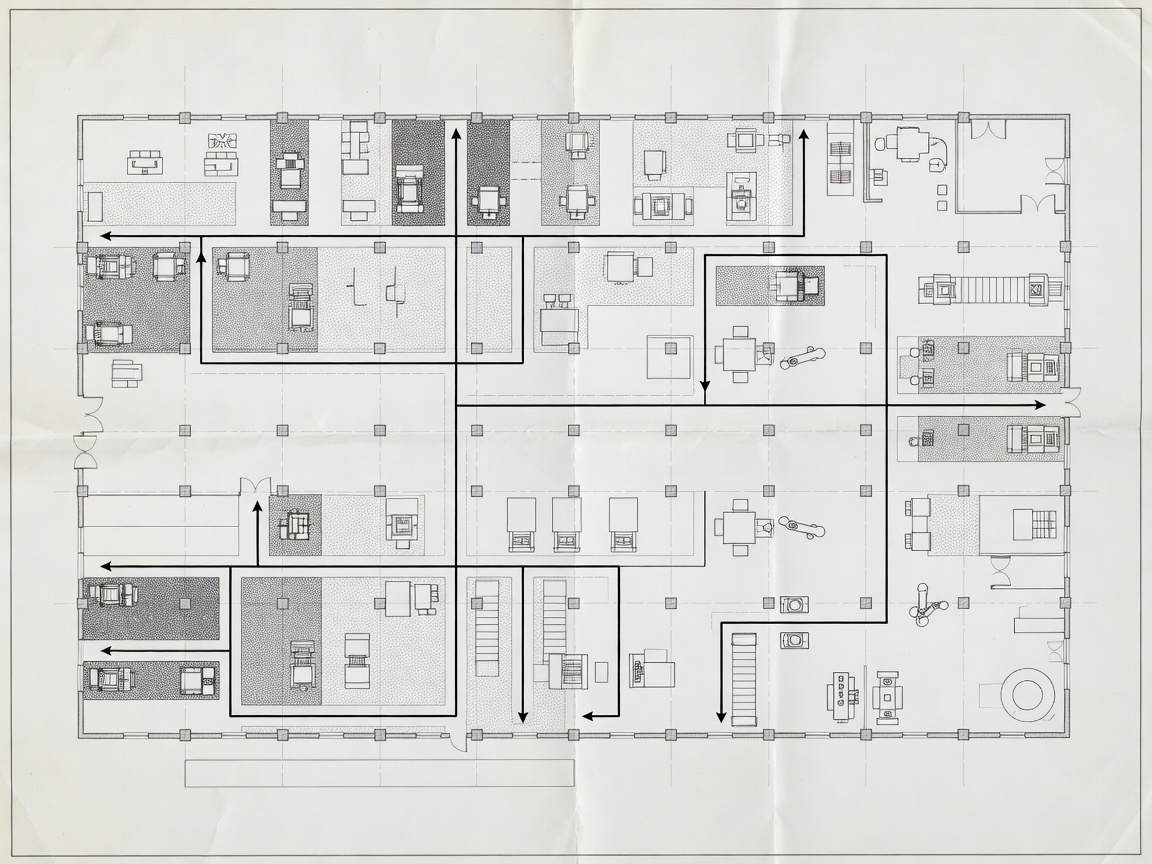
05 · Plan
Sequence improvements around production, maintenance and the realities of a living facility.
Explore planningThe working principles
A treatment plan is sharper when it distinguishes impact, airborne, tonal and ventilation-related noise.
Reflection and line-of-sight routes can make a modest source feel much larger than it is.
Operators need clear sightlines, safe access, fresh air and a space that remains workable after installation.
A quieter next step